
Structured Style for the Modern Era
Tailoring has long been associated with precision, discipline, and formal occasions. Today, however, modern tailoring has evolved into something far more dynamic. It no longer belongs solely to boardrooms or ceremonial events. Instead, it shapes everyday wardrobes for men and women who value clarity in design and strength in silhouette. Contemporary structure blends sharp lines with comfort, offering garments that feel relevant to the present while respecting the heritage of craftsmanship.
Modern tailoring is defined by balance. It retains the refinement of classic cuts while embracing flexibility, softer constructions, and innovative fabric choices. The result is clothing that feels powerful without appearing rigid. This evolution reflects how lifestyles have changed — people now seek versatility and movement without sacrificing elegance.
Structure With Fluidity
Traditional tailoring focused heavily on rigid frameworks, emphasizing stiffness and strict form. In contrast, contemporary structure introduces fluidity. Jackets are lighter, trousers are more adaptive, and dresses hold their shape while allowing ease. For men, sharply defined shoulders may now pair with breathable materials that move naturally. For women, tailored dresses and structured separates offer strength while maintaining grace.
The emphasis is on precision without discomfort. Modern cuts follow natural body lines rather than forcing them into fixed shapes. Clean seams, subtle shaping, and thoughtful proportions create garments that enhance presence while remaining wearable throughout the day. This harmony between structure and flexibility is the essence of modern tailoring.
Color also plays a transformative role. While traditional tailoring often leaned toward deep neutrals, contemporary designs explore softer tones, muted palettes, and refined contrasts. These choices expand styling possibilities while preserving a polished aesthetic.
Tailoring for Everyday Life
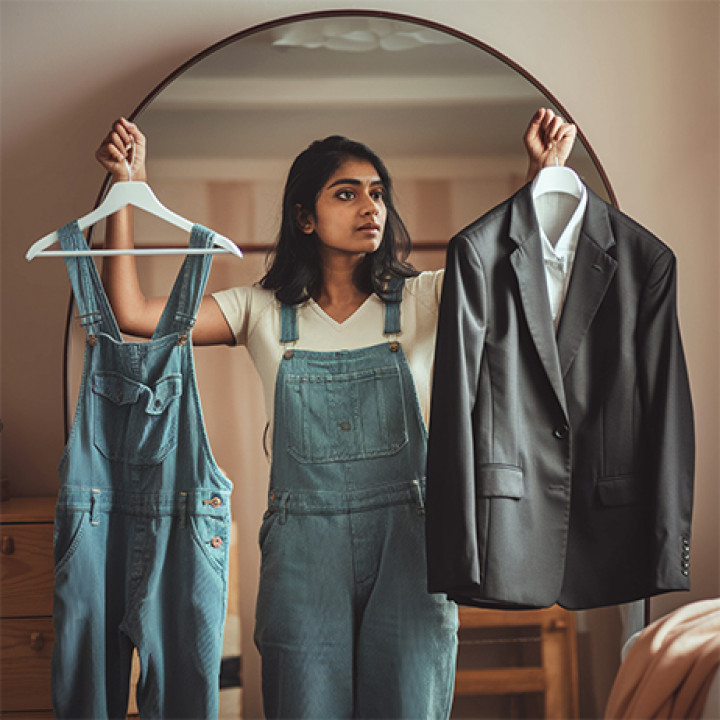
One of the most significant shifts in modern tailoring is its integration into daily wear. Structured pieces are no longer reserved for special settings. Men may pair tailored trousers with relaxed shirts for a confident yet approachable look. Women may incorporate sharply cut blazers or structured dresses into their regular routines, balancing authority with comfort.
This adaptability makes tailoring relevant across environments. A well-constructed garment transitions seamlessly from professional spaces to social gatherings without feeling out of place. The secret lies in subtle detailing — carefully positioned seams, refined lapels, and balanced proportions that elevate the overall look without overwhelming it.
Modern tailoring respects individuality. It allows personal style to shine through minimal adjustments in fit and fabric. Rather than conforming to rigid standards, contemporary structure adapts to diverse preferences and lifestyles.
The Craft Behind the Cut
At the heart of modern tailoring is craftsmanship. Precision cutting, accurate stitching, and attention to proportion ensure that every garment holds its intended shape. Even when designs appear minimal, their construction demands expertise. Small refinements — such as seamless transitions between panels or carefully aligned patterns — contribute to a clean, cohesive appearance.
For men, expertly tailored shirts and trousers establish a strong foundation. For women, sculpted dresses and structured separates highlight both strength and elegance. The craftsmanship behind these pieces is subtle yet impactful, reinforcing confidence through impeccable fit.
Fabric innovation further enhances contemporary structure. Lightweight materials that maintain shape without heaviness define today’s tailoring. Breathable textures and smooth finishes ensure comfort remains integral to design. This integration of function and form reflects the modern expectation that clothing must support an active lifestyle.
Silhouettes That Define Presence
Silhouette remains the defining element of tailoring. Strong vertical lines elongate the frame, balanced proportions create symmetry, and refined cuts communicate intention. Modern tailoring refines these elements to feel less restrictive and more expressive.
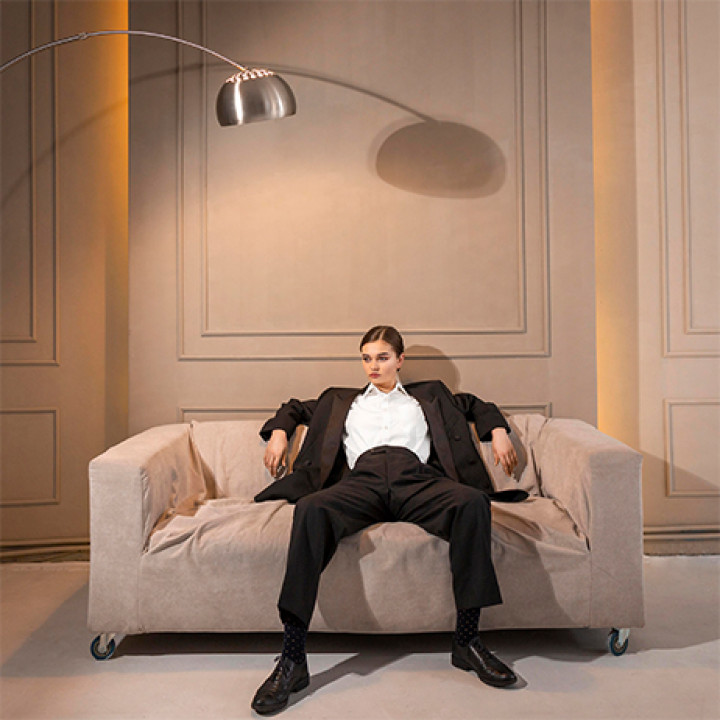
For men, straight-leg trousers paired with clean-lined shirts establish a composed, confident look. For women, defined waists, structured shoulders, or tailored co-ord sets create an empowering silhouette. The emphasis is not on exaggeration but on enhancement — clothing that complements rather than dominates.
Layering also plays a significant role in redefining structure. Thoughtfully layered garments add depth without bulk, maintaining clarity in overall design. This layered precision ensures adaptability across seasons and occasions.
Confidence Through Contemporary Design
Redefining contemporary structure ultimately centers on confidence. Modern tailoring empowers individuals to feel composed, capable, and authentic. It bridges the gap between tradition and innovation, offering garments that honor craftsmanship while embracing present-day needs.
For both men and women, contemporary structure transforms tailoring into a daily essential rather than an occasional statement. It demonstrates that sharp lines and comfort can coexist, that strength and ease are not opposites but complements.
Modern tailoring is more than a design approach; it is a mindset. It values clarity over excess, refinement over ornamentation, and precision over trend. In doing so, it reshapes how structured clothing fits into modern life — not as rigid formality, but as an adaptable expression of personal presence.